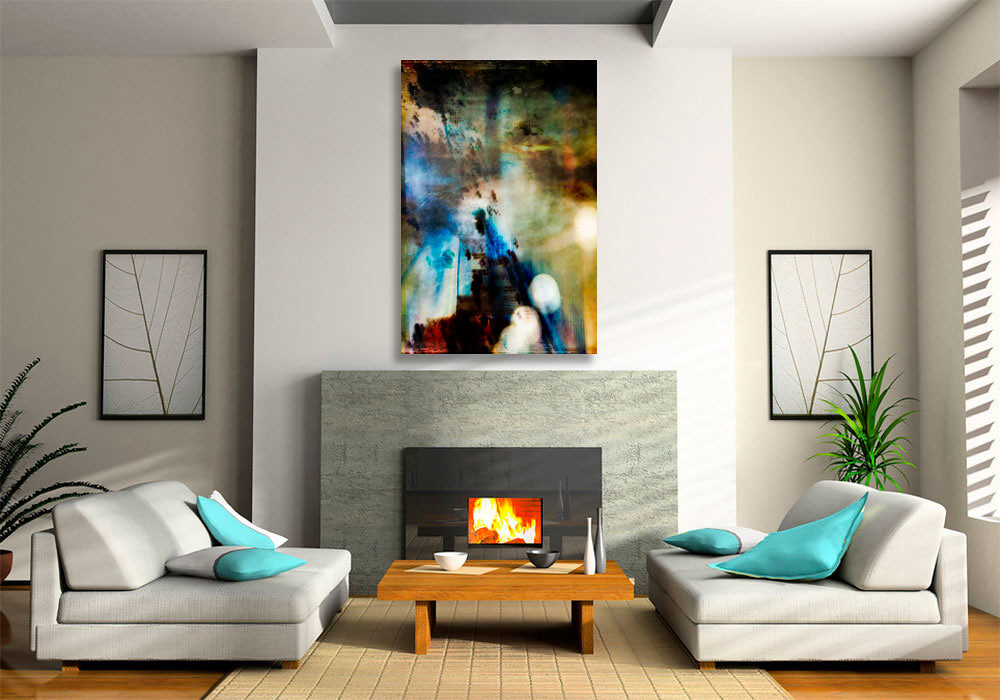

You invested in beautiful artwork. Now it’s time to make sure it looks its best — day and night.
Choosing the right art lighting for your Houston home can completely transform how your collection is experienced. Whether you have oil paintings, photography, sculptures, or mixed media, proper lighting preserves your investment and makes every piece look like it belongs in a gallery.
Here’s what you need to know:
1. Understand the Difference Between General and Art Lighting
Most homes rely on general overhead lighting – recessed cans, chandeliers, or ceiling fixtures. These illuminate rooms but rarely do justice to artwork. Art lighting is intentional. It directs focused light at specific pieces, controls shadows and glare, and brings out color and texture in ways that general lighting simply cannot.
At Laymance Lighting, we’ve spent over 50 years perfecting the kind of precision lighting that makes Houston homes look and feel like private galleries.
2. Choose the Right Color Temperature
Color temperature is measured in Kelvins (K) and has a major impact on how artwork appears. Here’s a quick guide:
- 2700K–3000K: Warm white light, ideal for oil paintings and wood-framed pieces
- 3500K–4000K: Neutral white, works well for photography and contemporary art
- 4000K+: Cool white, often used for sculptures and architectural pieces
For most Houston homes with traditional or transitional interiors, a warm-to-neutral range between 2700K and 3500K tends to produce the most beautiful results.
3. Avoid UV and Heat Damage
This is where many homeowners make costly mistakes. Halogen and certain older lighting types emit UV rays and significant heat that can fade, crack, or yellow artwork over time.
LED lighting is now the gold standard for fine art display. Modern LED fixtures offer high color rendering index (CRI) ratings above 90, meaning colors appear vivid and true-to-life — without the damaging effects of UV or excessive heat.
4. Control Glare and Reflection
Glass-framed artwork is particularly vulnerable to glare. The wrong placement or angle of a light fixture can create distracting reflections that make pieces difficult to view.
Professional art lighting specialists position fixtures at precise angles — typically 30 degrees from vertical — to minimize glare while maximizing even illumination across the surface of the artwork.
5. Work with a Lighting Professional
Every home is different. Wall heights, ceiling depths, natural light exposure, and the specific dimensions of your artwork all factor into a lighting plan. A professional lighting consultation ensures that your fixtures are positioned correctly, your color temperatures are matched, and your investment is protected for years to come.
Laymance Lighting has designed art lighting for Houston homes ranging from modest collections to museum-quality private galleries. We bring the same level of expertise to every project.
For more information or to schedule a lighting consultation, call 713.271.6271.


Comments are closed